Body and Mind
Alcohol: Your Best Mate — or Your Biggest Problem?
Alcohol often has a complicated relationship in men's lives. It gives, and it takes, and it's one they are least likely to examine honestly.
It turns out the body and mind are not separate departments with different managers. What you eat, how you sleep, how much you drink and how little you move all have a measurable effect on your mental health — and vice versa. This section covers the physical side of men's wellbeing, from everyday habits to chronic illness, without turning into a lecture about kale.
Body and Mind
Alcohol often has a complicated relationship in men's lives. It gives, and it takes, and it's one they are least likely to examine honestly.
Body and Mind
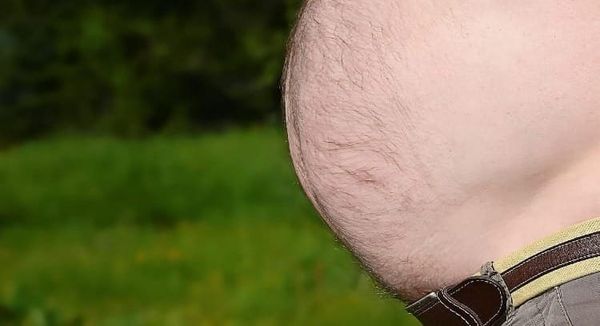
At some point in the middle years, most British men acquire a paunch. This is not news. What is news — or at least, what most men have been successfully avoiding knowing — is what it really is, where it really comes from, and what, if anything, can realistically be done about it.
Body and Mind
There is a word for the experience of having feelings you cannot identify, describe or make sense of. Most men who have it have never heard the word. Many would find it uncomfortably accurate.
Body and Mind
By the age of 50, a significant proportion of men discover that the world has become substantially more annoying than it used to be. This is not imaginary, not inevitable, and considerably more interesting psychologically than it first appears.
Body and Mind
Alcohol has been the social lubricant of human civilisation for approximately ten thousand years. It has also been responsible for considerable human misery. These two facts exist simultaneously and require acknowledgement in roughly equal measure.
Body and Mind
Uncle Derek. The one who says the thing that everyone else was thinking but had the collective sense not to say out loud. He is simultaneously the most entertaining and most mortifying person at the table. There is a reason for this, and it is considerably more interesting than simple rudeness.
Body and Mind
The brain does not retire when you do. It continues operating on the same fundamental principle it always has: use it or watch it quietly deteriorate while you're watching daytime television. The choice, within certain limits, is yours.
Body and Mind
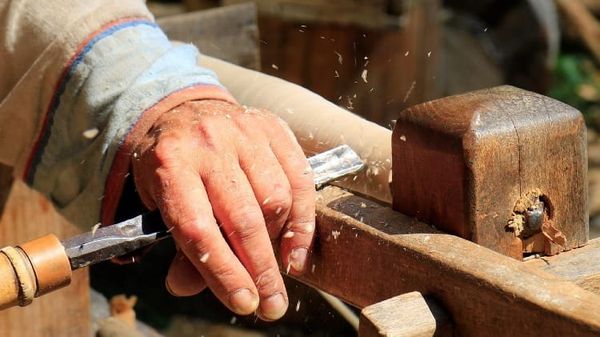
The man in the garage with his hands in an engine, the one rebuilding a wall on a Saturday afternoon, the one who spent three hours fixing something. They are, it turns out, doing something rather important.
Body and Mind
Men have a well-documented tendency to arrive at serious illness later than necessary, sicker than they need to be, and more surprised than the evidence warrants. This article is about why that happens and what it costs.
Body and Mind
A diagnosis of epilepsy in midlife or later arrives without warning, removes things you didn't know you valued until they were gone, and requires a period of adjustment that nobody fully prepares you for. This article is an honest account of what that involves — and what tends to come after.
Body and Mind
Birdwatching has an image problem. It is associated, in the popular imagination, with a specific type of person standing in a field in waterproof clothing, writing something in a notebook, apparently content. This article is an argument that the 'apparent content' part is not a coincidence.
Body and Mind
Men have an extraordinary capacity for explaining away symptoms that would send most sensible people to a doctor. The chest pain is probably nothing. The lump has probably always been there. The persistent fatigue is probably just stress.