Is Testosterone to Blame for Everything?
Testosterone has become the explanation of choice for an impressive range of male problems — aggression, risk-taking, mid-life misery, and the invention of the leaf blower. The reality is considerably more interesting and considerably less tidy.

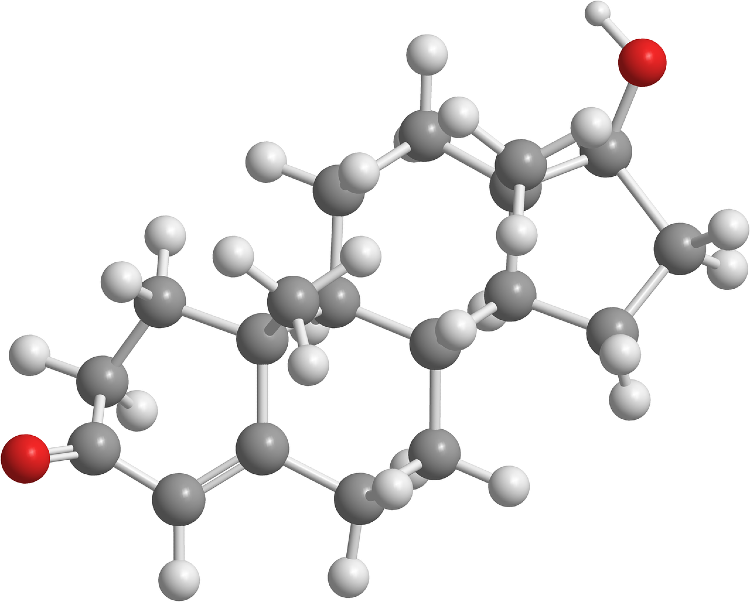
There are two popular narratives about testosterone, and both of them are wrong.
The first is the folklore version: testosterone is the essential male fuel, the chemical foundation of drive, competence, sexuality and strength, and its decline with age is a straightforward tragedy requiring urgent pharmaceutical correction. This version is enthusiastically promoted by a rapidly expanding industry selling testosterone replacement therapy, testosterone-boosting supplements and testosterone-optimising lifestyle programmes, most of which are considerably more profitable than they are evidence-based.
The second is the corrective version, popular in certain cultural quarters: testosterone is the root cause of male aggression, dominance-seeking and general social destructiveness, and the world would be measurably better with less of it. This version tends to be held by people who have read some pop-science and arrived at conclusions that the actual science does not particularly support.
The reality — which is less commercially useful and less ideologically convenient than either narrative — is that testosterone is a complex hormone operating within a complex system, interacting with genes, environment, behaviour, age, stress, sleep, relationship status and a dozen other variables in ways that produce effects that are modest, conditional, context-dependent and frequently misattributed.
What testosterone is
Testosterone is a steroid hormone produced primarily in the testes in men, with smaller amounts produced in the adrenal glands. It belongs to the androgen family and is present in both sexes, though at concentrations roughly ten to twenty times higher in men than women.
Its functions are extensive. During foetal development, it shapes the formation of male reproductive anatomy. During puberty, it drives the development of secondary sexual characteristics — muscle mass, bone density, body hair, voice deepening, testicular and penile development. In adult men, it regulates libido, sperm production, red blood cell production, fat distribution, muscle maintenance and bone density.
What it does not do — or does not do as simply and directly as popular accounts suggest — is determine personality, cause aggression on its own, or operate as a simple dial controlling male vitality. Testosterone is one signal among many in an extraordinarily complex biological system, and its effects are mediated by receptor sensitivity, binding proteins, conversion to other hormones including oestradiol, and feedback loops that adjust production in response to behaviour, stress, sleep and a range of other inputs.
The relationship between testosterone and behaviour is real but considerably more reciprocal than the standard account implies. Testosterone influences behaviour, but behaviour also influences testosterone. Competition raises it. Victory raises it. Defeat lowers it. Sexual activity raises it. Chronic stress lowers it. Sleep deprivation lowers it. The hormone is not only driving the bus — it is also responding to where the bus has been.
What happens with age
Testosterone levels in men peak in the late teens and early 20s and decline gradually thereafter. The decline is real, well-documented and starts earlier than most men assume — from around age 30, at a rate of approximately one to two per cent per year. By the mid-50s, most men have testosterone levels meaningfully lower than they had at 25.
This is not, however, the simple tragedy that the testosterone replacement industry tends to present. Several things are worth noting.
The decline is gradual and individual. The variation between men at any given age is enormous — far greater than the variation produced by age alone. A healthy, well-sleeping, regularly exercising 55-year-old may have higher testosterone levels than a sedentary, chronically stressed, sleep-deprived 35-year-old. Age is one variable among many.
Most men maintain testosterone levels within the normal range well into their 60s and beyond. The clinical threshold for hypogonadism — testosterone deficiency significant enough to warrant treatment — is substantially below the typical age-related decline. Feeling somewhat less energetic at 55 than at 25 is not hypogonadism. It is, in considerable part, being 55.
The symptoms most commonly attributed to testosterone decline — fatigue, reduced libido, low mood, reduced muscle mass, increased body fat, difficulty concentrating — are real and worth taking seriously. They are also the symptoms of a very large number of other conditions: depression, sleep disorders, thyroid dysfunction, cardiovascular disease, type 2 diabetes, anaemia, and the straightforward physiological consequences of chronic stress and insufficient sleep. Attributing them to testosterone without ruling out other causes is diagnostically sloppy and clinically unhelpful.
The symptoms most men attribute to low testosterone are more often the symptoms of living badly — too much stress, too little sleep, too much alcohol, too little exercise — than the symptoms of hormonal deficiency. The blood test is considerably less important than the lifestyle.
Late-onset hypogonadism: what it is and isn't
There is a proper clinical condition called late-onset hypogonadism — also called androgen deficiency of the ageing male — in which testosterone levels fall below the clinical threshold and produce a specific symptom cluster. It is real, it is diagnosable, and it is treatable.
It is also considerably less common than the testosterone replacement industry's marketing would suggest.
Genuine late-onset hypogonadism requires two things: testosterone levels below the clinical threshold on at least two separate morning blood tests, and the presence of specific symptoms — particularly sexual symptoms including reduced libido, erectile dysfunction and reduced spontaneous erections, alongside fatigue, reduced muscle mass and mood changes. The diagnosis requires both the biochemical and the clinical picture. Low-normal testosterone without symptoms does not warrant treatment. Symptoms without biochemically low testosterone are not hypogonadism and are not treated by testosterone replacement.
The British Society for Sexual Medicine and the European Association of Urology both publish guidelines on the diagnosis and management of testosterone deficiency that are considerably more cautious and specific than the direct-to-consumer testosterone industry's approach, and considerably more useful for understanding what the clinical evidence actually says.
Testosterone and mood
I know you've thought about this, so here we go. The relationship between testosterone and mood is real, bidirectional, and frequently overstated in both directions. That's the quick answer, but not too helpful.
Low testosterone is associated with depressive symptoms — low mood, fatigue, reduced motivation, and anhedonia (that's the term applied to an inability to feel pleasure or interest in things you used to). This is well-established. What is less well-established is the direction of the relationship. Depression reduces testosterone. Chronic stress reduces testosterone. Sleep deprivation reduces testosterone. The man whose low mood and fatigue have produced a low testosterone reading may have low testosterone because he is depressed and sleep-deprived, rather than being depressed and sleep-deprived because his testosterone is low.
This distinction matters enormously in terms of what is likely to help. Treating depression with testosterone replacement when the low testosterone is a consequence of the depression tends to produce modest results. Treating the depression — and the sleep, and the stress, and the other lifestyle factors driving the hormonal picture — tends to produce better outcomes for both the mood and the testosterone.
The research on testosterone replacement and mood in men with genuinely low testosterone is modestly positive — there is evidence of improvement in depressive symptoms and quality of life in hypogonadal men treated with TRT. The research on testosterone replacement in men with low-normal or normal testosterone is considerably less convincing. The enthusiasm of men who have tried TRT and report feeling dramatically better needs to be placed in the context of significant placebo effects, the improvements that come from any active health intervention, and the selection bias of people who were sufficiently motivated to seek treatment.
Testosterone and aggression: the cultural myth
The association between testosterone and aggression is one of the most persistent and most misunderstood in popular biology.
The evidence for a direct causal relationship between testosterone levels and aggression in humans is, to put it charitably, weak. The studies that have found correlations tend to be small, poorly controlled and methodologically inconsistent. The large-scale studies have generally found modest or no relationship between testosterone levels and aggressive behaviour in men.
What the research does suggest is that testosterone may increase sensitivity to social threat — the tendency to respond assertively to perceived challenges to status or dominance. But whether this produces aggressive behaviour depends heavily on context, individual personality, learned behavioural patterns, the social environment, and a host of other variables that have nothing to do with hormone levels.
The man who behaves aggressively is not doing so because his testosterone is high. He is doing so because of a complex interaction of personality, learning, social context and — yes, possibly, marginally — hormonal state. Testosterone is at most a partial and conditional contributor to a pattern that is primarily behavioural and contextual.
The evidence that testosterone causes male violence, war, financial recklessness or the dominance hierarchies of corporate life is not there in any robust form. These behaviours have explanations, but testosterone as the primary cause is a significant oversimplification of the actual picture.
The lifestyle effect: larger than most men think
One of the most clinically useful findings in the testosterone literature is the extent to which modifiable lifestyle factors affect testosterone levels — considerably more than most men realise, and considerably more than age alone.
Sleep is probably the most significant single variable. A 2011 study in the Journal of the American Medical Association found that one week of sleep restriction — to five hours per night — reduced testosterone levels in young men by 10 to 15 per cent. The effect was comparable to ageing ten to fifteen years in terms of its hormonal impact. The relationship between sleep and testosterone is bidirectional: low testosterone disrupts sleep, and disrupted sleep lowers testosterone.
Exercise — particularly resistance training — produces acute and, with sustained training, chronic increases in testosterone. The effect is meaningful, and the men who are most likely to have low testosterone are disproportionately those who are sedentary, overweight and metabolically unhealthy.
Body composition matters significantly. Adipose tissue — body fat — converts testosterone to oestrogen through a process called aromatisation. Higher body fat means more conversion, which means lower available testosterone. The relationship between obesity and low testosterone is well-established, and weight loss in overweight men produces meaningful increases in testosterone without any pharmaceutical intervention.
Alcohol reduces testosterone through several mechanisms, including direct toxic effects on Leydig cells in the testes and indirect effects through liver function and sleep disruption. Chronic heavy drinking produces significant testosterone suppression. The effects of moderate drinking are more modest but not negligible.
Chronic stress suppresses testosterone through cortisol, the stress hormone, which actively inhibits testosterone production. The man under sustained professional, financial or relational pressure may have meaningfully lower testosterone than his otherwise comparable less-stressed contemporary, through a mechanism that is entirely independent of age.
The practical implication is that for most men experiencing symptoms they attribute to low testosterone, the most evidence-based first intervention is not a blood test and a prescription — it is sleep, exercise, weight management, alcohol reduction and stress management. These produce meaningful hormonal improvements and have the considerable advantage of improving everything else at the same time.
Testosterone replacement therapy: what the evidence says
Testosterone replacement therapy is, for men with genuinely low testosterone and the clinical symptoms of hypogonadism, an effective and appropriate treatment. The evidence for its benefits in this population — improvements in libido, sexual function, mood, energy, muscle mass and bone density — is reasonably solid.
The evidence for its use in men with low-normal testosterone, or in men whose symptoms are more plausibly explained by depression, sleep disorders or lifestyle factors, is considerably less convincing. The large-scale TRAVERSE trial — published in the New England Journal of Medicine in 2023 — found that TRT in middle-aged and older men with low-normal testosterone produced modest improvements in sexual function and some physical measures but did not significantly improve energy, vitality or mood compared to placebo.
There are also risks associated with TRT that the industry's marketing tends to understate. Suppression of natural testosterone production and fertility. Polycythaemia — elevated red blood cell count — which increases cardiovascular risk. Potential effects on sleep apnoea. The requirement for ongoing treatment once started. These are manageable in the context of genuine hypogonadism; they are less justifiable in the context of treating normal age-related decline.
The appropriate pathway for any man concerned about his testosterone is a conversation with a GP, a blood test conducted at the right time — testosterone levels are highest in the morning and vary considerably across the day — and a clinical assessment of symptoms. Not a direct-to-consumer testosterone clinic, not a supplement, not a decision based on a questionnaire on a website designed to sell a product.
What to do with this information
The men most likely to be reading this article are those in their 40s, 50s or 60s who have noticed changes in energy, mood, libido or physical capacity and are wondering whether testosterone is the explanation.
The honest answer is: possibly, but probably not primarily, and almost certainly not in isolation.
Before associating these symptoms with testosterone decline, it's worth asking yourself some honest questions about sleep quality and duration, alcohol consumption, exercise habits, body composition, chronic stress levels, and whether low mood or anxiety — which independently produce most of the symptoms attributed to low testosterone — might be a more accurate primary diagnosis.
If those factors are in reasonable order and the symptoms persist, a conversation with a doctor and a testosterone blood test is entirely appropriate. If the blood test reveals genuinely low testosterone, the clinical pathway is clear. If it reveals low-normal or normal levels, the conversation shifts to what else might explain the symptoms, which is a considerably more useful conversation than the one that ends with a prescription.